

Simple. Stable. Smart


Results
Every website creation is supported by a team of experienced and multidisciplinary experts, who help you master your business’s online challenges and offer the right solutions.

Experience
Managing a successful Internet presence is difficult and multifaceted for most businesses. Our online experience helps attract visitors, convert leads, and close customers.

News & Updates

Four Benefits of Air Duct Cleaning
By Isabella Alvarez
/ July 15, 2022
Air ducts contain dust, pollen, hair, and pet fur. Not to mention they can be clogged with mold and are damaged during renovations. Here are some benefits of duct cleaning. If you’re looking to make your home more comfortable, consider duct cleaning. Here are four reasons to clean your air ducts:
Air ducts contain dirt, dust mites, pollen, hair and pet fur
Dirty air ducts can cause upper respiratory infections and lower respiratory infections. These contaminants can affect the health of occupants of your home, including your children and pets. The bacteria that thrive in dirty air can cause illnesses ranging from a common cold to a bacterial sinus infection. In fact, if you have a dirty HVAC system, you are more likely to contract one or more of these diseases than you may realize.
They can be clogged with mold
If you’re noticing a musty smell in your home, you should consider hiring Windsor duct cleaning service. If you suspect mold growth, you can usually smell it near the vents, air returns, and filters. Additionally, you may have visible mold growth, making it hard to breathe. Mold can also cause unpleasant odors throughout your home, including the dreaded “musty dog” odor.
They can have leaks
Keeping your HVAC system clean can help keep the air inside your home clean and odor-free. However, air ducts can have leaks, which can allow heated or cooled air to escape. Leaking ducts can also allow dust from inside walls, floors, and ceilings to be drawn into the system and circulated throughout your home. In addition to being unpleasant for your family’s respiratory system, dust can aggravate existing conditions such as asthma. Fortunately, there are ways to prevent a large amount of dust and mold from entering your HVAC system.
They can be damaged by renovations
There are several reasons why you need to consider getting duct cleaning done after undergoing renovations. Renovations are messy and dusty and can cause damage to your ductwork. Before starting renovations, turn off your HVAC system and cover the area that will be under construction. Debris will be sucked into the ductwork and can cause it to become clogged. Luckily, it’s easy to prevent this from happening by making sure to have your air ducts cleaned after renovations. To get your ducts cleaned, schedule an air duct video inspection.
They can be a waste of money
There are several reasons to hire a professional duct cleaning service. For one thing, it will remove organic material left behind by pests. It will also help to get rid of dust and debris that causes constant dusting in your home. If you have a pet, you’re also likely to have a lot of fur and dander. Both of these items can harbor allergens, germs, and a foul odor. The good news is that a professional cleaning service can get rid of these problems with minimum disruption to your daily schedule.
They can improve indoor air quality
Many health problems can occur because of poor indoor air quality. Children and infants are especially susceptible, as they are much more vulnerable to the effects of pollution than adults are. Even adults with no known ailment may develop symptoms if they spend a lot of time inside the home. If you suspect your home is causing problems for your family, consider hiring a professional duct cleaning company to get rid of airborne pollutants.
All About Direct Mail and Your Marketing Channels
By Isabella Alvarez
/ June 16, 2021
Direct mail is any direct mail that you send out to potential customers in the hopes of enticing them to patronize a business. This sort of marketing can be a great way to reach potential clients, but sometimes the task can become tedious and cumbersome. There are software tools available for those who want to take this form of marketing on their own. Here are some things to think about before taking on such a project.

It is important to understand whether or not the software you will be using will actually allow you to campaigns. Some programs simply do not have the features needed to allow you to do so. Many of these software packages and programs also permit you to contract out parts of your campaign as well, which can complicate matters. When you are choosing a marketing automation platform, make sure it includes both capabilities to automate your direct mail efforts. Otherwise, you will be left in the cold when trying to integrate a new system into an existing one.
Direct Mails and CRM
Some marketers prefer to use a single dashboard for handling all aspects of their campaigns. For example, if they want to track all of their postcards, track where each postcard goes and what action was taken on each one. Some prefer to have the ability to import data from a spreadsheet into a form that can be easily transmitted to their CRM system. With a single dashboard, they can keep everything in one place and make quick updates whenever necessary.
Still others want to incorporate various marketing forms and modules into their campaigns, but they still want to retain control over each component. So they need a way to easily evaluate the effectiveness of individual components, such as their effectiveness with postcards or their response rate to emails. This is why having a single dashboard for things like postcards, mailing list building and online advertising can be helpful.
But how do you get from one form of automation to another? The answer lies in using email marketing software. Most email marketing software comes with a base campaign already built in, allowing marketers to just customize it to incorporate form automation and mail automation tools. If you are just starting out, consider a free version of Mailchimp or Aweber to test out your setup. These services will provide you with a basic template and enough information to get your feet wet. From there, you can refine and expand your campaign with more detailed and engaging content.
Many of the major email marketing services offer more extensive email campaigns, including auto-responder tools. This is where your autoresponder tool can really pay off. You can set up a series of messages, which will automatically send a postcard or other type of mail to a specified address. Some of the most common uses of this type of tool include sales reminders, customer support follow-ups and holiday greetings.
If you are looking for a new way to integrate your CRM with your mailing lists, consider converting your current mailing lists into your CRM data. A popular method of doing this is through the use of optin lists. Optin lists of individuals who have chosen to opt in to your mailing list’s consent to receive additional information on your company and your products. By integrating your CRM with your mailing lists, you will be able to send direct mail at a later time, should you find more individuals interested in your products or services.
Conclusion
If you would like to automate your personalize offers better, you might consider using the OneDrive application. This tool is actually two different tools in one; it will let you store data from your Bing search engine account and it will also let you store information from any other type of web form. OneDrive will help you manage forms from all web sources such as blogs, forums and email addresses. This tool has been proven to help companies save significant amounts of time by eliminating repetitive tasks. It will also give you a single dashboard for managing all of your customer data across all marketing channels.
Finding the Best Direct Mail API
By Isabella Alvarez
/ June 15, 2021
Direct marketing is one of the most important parts of any business and getting the best direct mail API for direct mail can make all the difference in how well you do. You need to have a way to reach out to everyone who is or is thinking about buying the product that you are selling. Your sales are affected by who sees your advertisements and how much interest they get from doing so.

This means you need a system set up that reaches everyone and that’s exactly what the best direct mail API for direct mail can offer you. An API is an acronym for application programming interface. That just means that any business can write its own software program to handle its own direct mail campaigns. It doesn’t matter how good the rest of your team is. You’ll still end up with a better conversion rate if you use an API for direct mail marketing.
API for Business Promotion
The way that an API makes things easier for a business is by taking the guesswork out of the equation. Say you’ve written up an attractive direct mail campaign for your new line of products. Then you go to the printer to purchase the sheets of paper and ink to go with it. However, instead of just printing out everything on the sheet of paper you can simply hit the “Print” button on your computer and that will be all your product is going to look like.
Of course, no one wants to receive a bunch of brochures in the mail. They’d much rather have something of use to be opened and used right away. That’s where an API for direct mail comes in. You can give a consumer a direct email that they can open immediately and then begin to try the product. You know, that simple sales letter setup that everyone likes to see.
So how do you pick out the best direct mail API service for you? Well, the first thing that you need to do is pick out an experienced company. There are plenty of companies out there that are willing to help you advertise your products. You’ll just need to know who to ask. Look for a company that has a good reputation. Also make sure that they have proof of their ability to deliver results.
You should also consider the design and format of your emails. An API for direct mail marketing will let you know exactly what your audience is looking for when they open your email. It will tell you if they opened the email sight unseen and uninterested. With any API you have control over the subject line and body of your email. Your audience may very well respond to your best direct mail marketing campaign.
The best mail marketing company will offer you lots of different options to choose from. For example, it won’t matter if you want to target only part of the population or if you want to mail multiple letters at once. You can customize your campaign exactly how you want it. And the best part is that you’ll have control over the cost, which is a huge benefit.
Conclusion
Don’t give up on direct mail marketing. Use an API to streamline your campaign and get results that you can truly be proud of. If you’re tired of losing money on every project that you send out, invest in an API. You’ll get more responses, you’ll save more money, and you’ll have complete control of the message that you send. Follow these tips for choosing the best direct mail marketing API and watch your business grow!
Why Do Your Business Need A Digital Marketing Agency
By Isabella Alvarez
/ February 3, 2021
A digital marketing agency in Toronto can help you build a successful website that attracts the right people, gets you the right traffic and helps you make money. While no two websites are exactly the same, a good digital marketing agency in Toronto has several experts to choose from that will work closely with you to develop a campaign that is tailored to your needs. Here are a few of the benefits you can expect from an agency in Toronto. From social media optimization to ppc campaigns, the digital marketing experts at this agency in Toronto have all the knowledge you need to make the most of your online presence.
A digital marketing services company in Toronto works closely with businesses of all sizes. From small businesses with just one store front online to large conglomerates that have websites in dozens and even hundreds all over the world, they can help you get the most for your money. Whether you need search engine optimization services, pay per click management or social media optimization, the experts in digital marketing services in Toronto have solutions that will help you reach your online goals.
When it comes to getting the most for your marketing dollars, Toronto SEO companies know which campaigns deliver results. They partner with companies specializing in digital marketing services to ensure you get the most from your marketing dollars. The experts at these companies have seen it all when it comes to Internet marketing so you know your ads and social media efforts will get the attention you’re after. With experts help you with everything from PPC campaigns to search engine optimization, a digital marketing agency in Toronto can take care of everything for you. It’s easy to handle business online and it’s easy to let everyone know about your presence.
Your business is only as good as the effort you put into marketing it. This includes the strategies you use to draw in potential customers. By hiring experts who work on social media marketing, you can rest assured you’re working with people who understand the importance of social media marketing. Whether you want to advertise your products and services locally or attract tourists from around the world, digital marketing services in Toronto can help you connect with potential clients and customers all while increasing your bottom line. With advertising campaigns that target your audience and help create brand awareness, you can reach new levels of success in a very short amount of time.
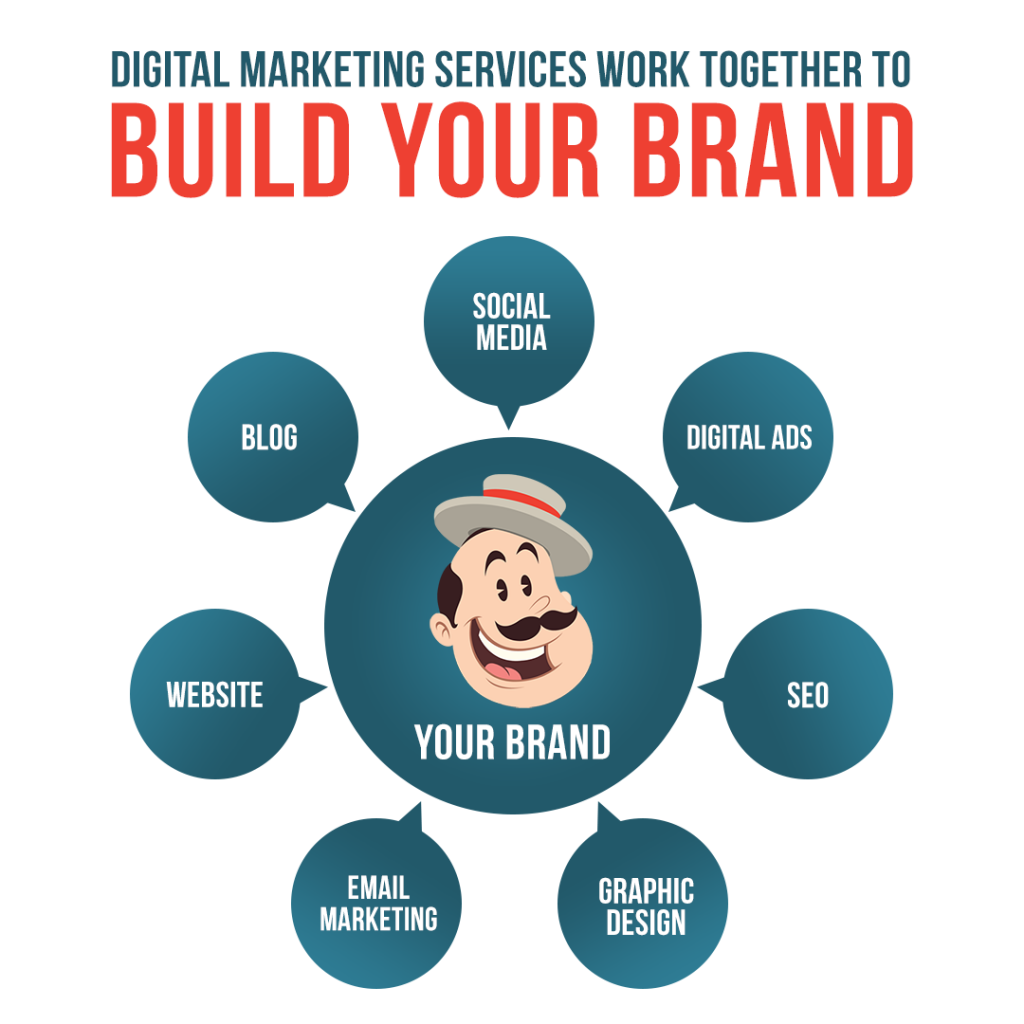
Another reason to hire a digital marketing agency in Toronto is the design of your website. When you work with an expert agency, you’ll get experts who are trained to design websites that make a positive impression on your clients. Instead of designing your site to fill all the available space and attract traffic, you can focus on drawing in potential clients through an effective design strategy. With a team of designers plying their trade right in the city, you can rely on your company to get the right look and feel for your website. You can rely on your digital marketing agency in Toronto to handle everything from web development to graphic design to programming.
With a digital marketing agency in Toronto handling the design of your website, you can concentrate on the important parts of marketing your business. There’s no need to worry about the overall layout and appearance of your website. Your digital marketing experts can handle this aspect because they know how to effectively use graphics and images to draw in visitors to your site. Instead of worrying about the look and feel of your website, you can focus more attention on the products and services that your business has to offer. With social media marketing strategy and search engine optimization techniques, you can improve your online presence and expand your clientele from the comfort of your home.